Content
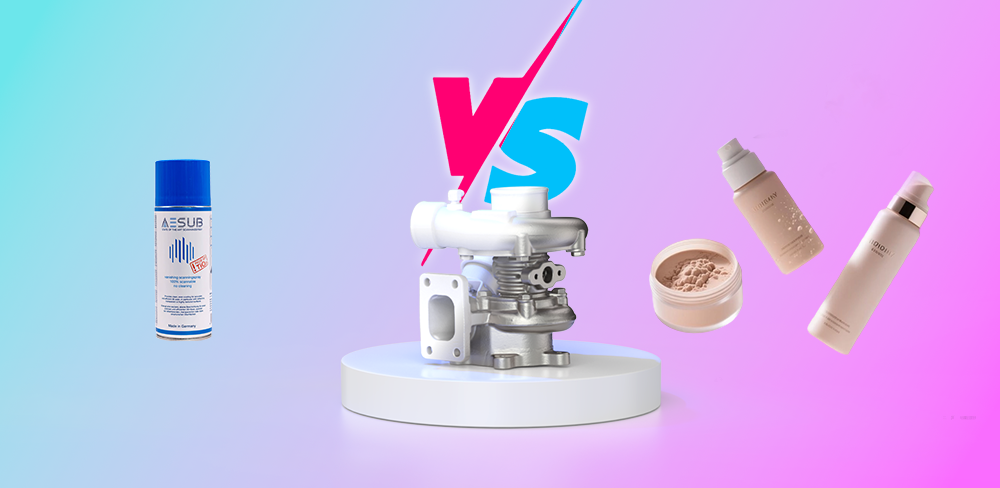
In the realm of 3D scanning, scanning spray is an essential tool for users aiming to capture challenging objects, including those that are transparent, dark, or reflective. This spray enhances the scanner's ability to gather detailed information, significantly improving the quality of the final output. While professional scanning sprays are widely available, many have turned to intriguing spray paint alternatives. This article compares the advantages and disadvantages of professional scanning sprays versus common alternatives, while also outlining the process and precautions for effectively using scanning spray.
1. Professional Scanning Spray
Advantages:
Professional scanning spray is specifically designed to reduce glare and reflections, ensuring high-quality results when scanning artwork. It creates a matte finish that allows scanners to capture fine details accurately. Typically non-toxic and suitable for most surfaces, it offers peace of mind for artists and scanning enthusiasts. Most professional sprays dry quickly, dissipating within minutes without leaving any residue, effectively protecting your models.
Price Range:
Professional scanning spray typically costs between $15 and $48 per can.
Disadvantages:
Despite its effectiveness, the lowest price for professional scanning spray is often higher than alternatives. Its odor may be pungent, requiring use in well-ventilated or unoccupied areas. It is recommended to wash hands after use.

2. Foot Powder
Advantages:
Foot powder, particularly those made with talc or cornstarch, effectively reduces glare on reflective surfaces. When applied properly, it creates a matte finish that helps scanners capture accurate details from shiny or glossy objects. It’s an inexpensive and readily available option, often found in drugstores.
Price Range:
Foot powder usually costs between $4 to $74 for a standard canister.
Disadvantages:
Achieving an even application can be challenging, leading to inconsistent results. The powder can clump if not applied carefully, hindering the scanning process. Additionally, cleaning off the powder afterward may require extra effort, potentially risking damage to the artwork or object.

3. Dry Hair Spray
Advantages:
Dry hair spray creates a clear protective layer on surfaces, effectively minimizing glare. It dries quickly, allowing for a convenient application process. Many formulations provide a matte finish, enhancing scanned image quality. Dry hair spray is also widely accessible, commonly found in households or beauty supply stores.
Price Range:
Expect to pay around $5 to $102 for a can of dry hair spray, depending on the brand and size.
Disadvantages:
The effectiveness of dry hair spray varies by brand. Some may leave a sticky residue or result in an uneven finish, negatively impacting scan quality. Certain chemicals in hair sprays might interact adversely with materials, potentially causing damage.

4. Body Powder
Advantages:
Body powder can help reduce shine on surfaces, providing a matte finish beneficial for 3D scanning. It is inexpensive and readily available, helping to absorb moisture and create an even texture that enhances scanning.
Price Range:
Body powder generally falls in the range of $4 to $90, depending on the brand and packaging size.
Disadvantages:
Achieving a consistent application can be difficult, leading to potential patchiness in results. Some body powders may leave a residue that needs thorough cleaning afterward, posing a risk to the artwork.

5. Loose Powder
Advantages:
Loose powder, commonly used in cosmetics, can effectively reduce glare on reflective surfaces. Its fine texture allows for an even application, helping create a matte finish that aids scanners in capturing detailed images without unwanted reflections. Loose powder is widely available and often affordable.
Price Range:
Loose powder is typically priced between $4 to $152, depending on the brand and quality.
Disadvantages:
Using loose powder may not adhere well to all surfaces and could require careful handling to avoid clumping. Some formulations may contain added chemicals that could interact with certain materials. Additionally, cleanup can be a hassle, as residues might need thorough removal to preserve the artwork's integrity. Additionally, this means you cannot continue using this cosmetic product. Therefore, please use discarded or expired loose powder to minimize waste.

How to Use Scanning Spray
Step 1:
Prepare Materials: Start by gathering suitable 3d scanner, scanning spray, soft lint-free or microfiber cloth, and your objects. Having everything organized and within reach not only saves time but also ensures that you have all the tools you need for a smooth and efficient scanning process.
Step 2:
Clear the Work Surface: Take a moment to clear and declutter your work area. Wipe down any objects that will be scanned to remove dust, fingerprints, and other residues. A clean workspace is crucial for achieving high-quality scans, as it minimizes the chance of unwanted marks or blemishes appearing on your documents.
Step 3:
Even Spraying: When preparing to spray, operate in an open, unoccupied area as the mist has a slight pungent odor but is non-toxic—you can proceed with confidence. Hold the spray nozzle approximately 6 to 12 inches above and slightly behind the object. Place the object on a turntable, press the spray trigger, and rotate the object to ensure even coverage. Avoid excessive spraying in one spot, which could cause over-wetting.
Step 4:
Begin Scanning: Once ready, initiate the scanning process. Monitor whether the surface spray dissipates during scanning. If scanning gaps appear due to spray dissipation, promptly apply a small amount of spray to fill them.
Step 5:
Completion and Dissipation: After scanning, residual spray will dissipate naturally over time without requiring special treatment. It will not damage the original object. However, avoid using the spray on edible cups or tableware, and it is not recommended for extremely valuable jewelry. Remember to wash your hands thoroughly after scanning to maintain hygiene.
In the End
When choosing a spray for preparing artwork for scanning, professional scanning sprays stand out as the best option due to their specialized formulation and safe application. However, common spray paints can serve as a budget-friendly alternative if used carefully. Always test sprays on scrap materials first, and consider the specific needs of your artwork. With the right preparation, you can ensure your scanned images capture the true essence of your creations!

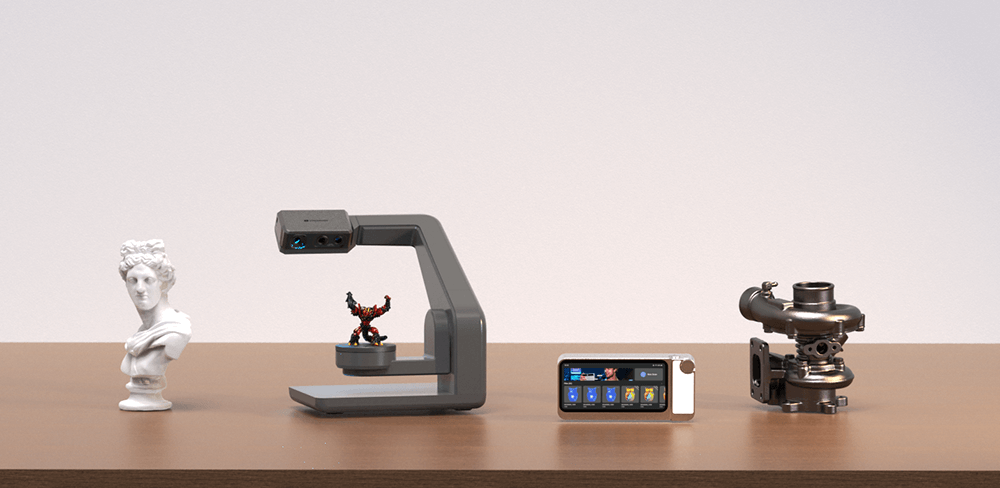
Featured collection
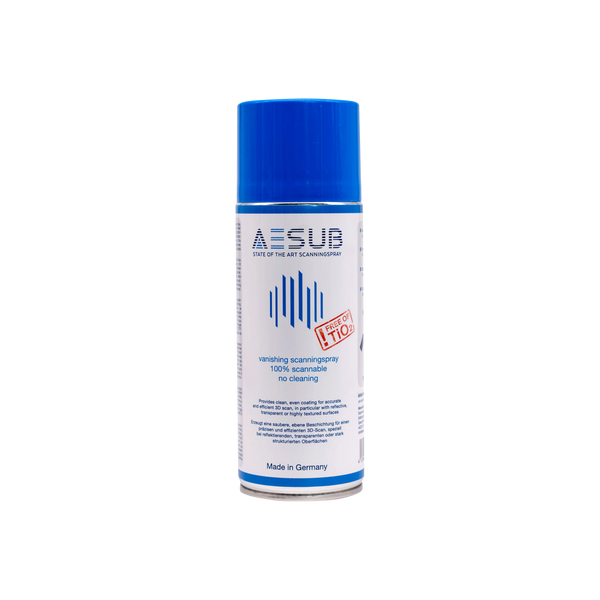
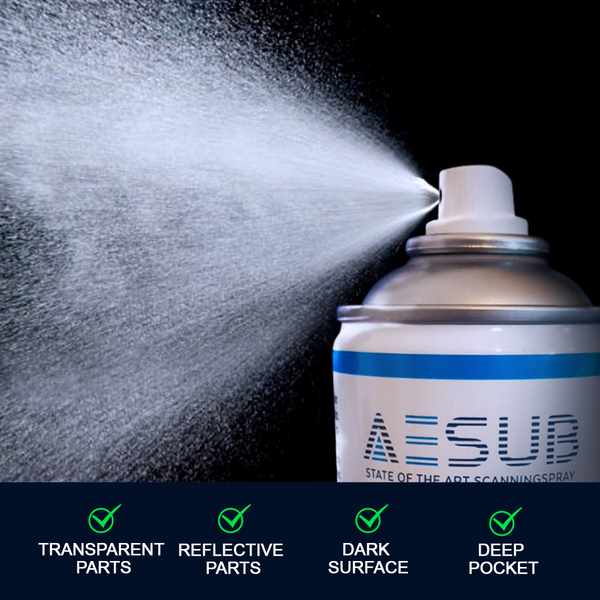
AESUB Blue Scanning Spray 400 ml
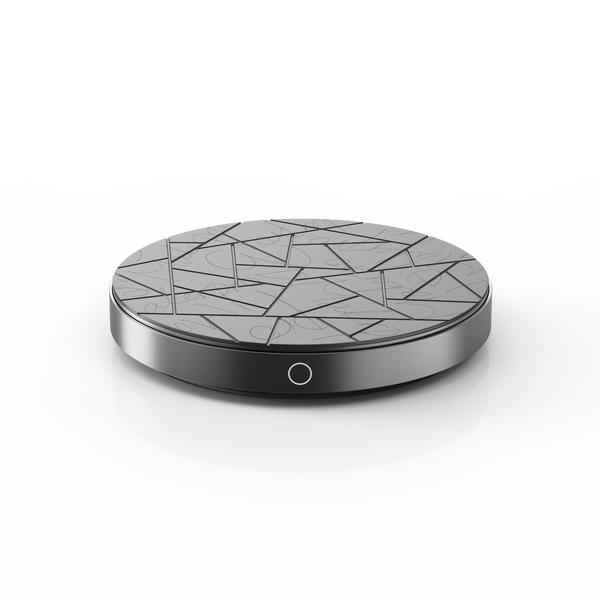
Automatic turntable
CADOqton